Secrets of the Amazon Rainforest
Published date: 12 May 2021

Over three million species call the Amazon rainforest home. From flatulent birds with prehistoric claws to sloths cloaked in green algae, discover some of the most surprising creatures that dwell in the depths of the jungle.
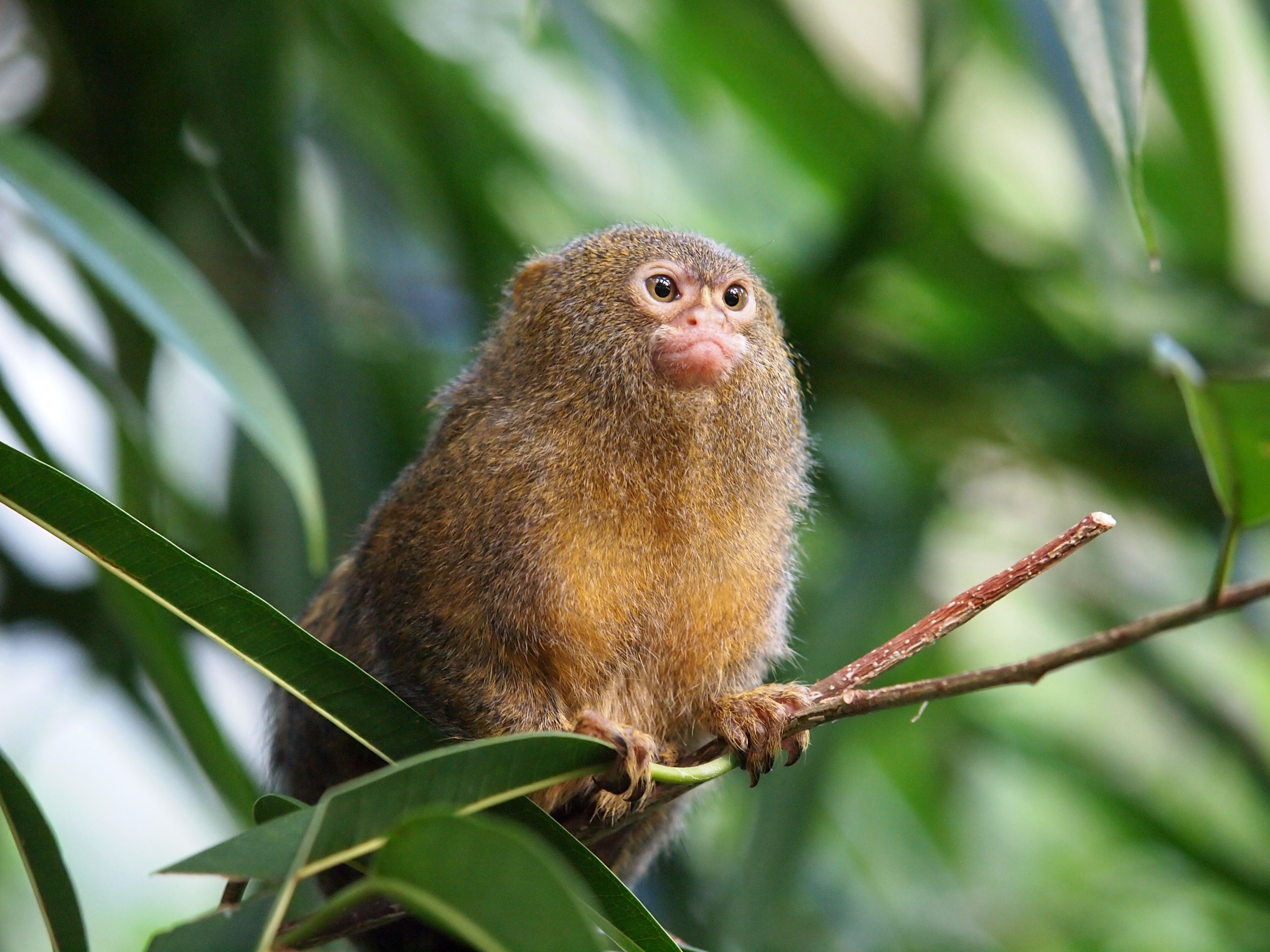
Pygmy marmoset
High up in the rainforest canopy live the world’s tiniest monkeys. Pygmy marmosets are just 2 inches tall and no bigger than a ping pong ball when born. These sociable creatures live in groups of up to ten monkeys, and spend their days leaping deftly between branches in search of berries, tree sap, fruit and butterflies. Despite their dainty stature, pygmy marmosets are surprisingly noisy- their whistles and squeals carry for many miles across the jungle.
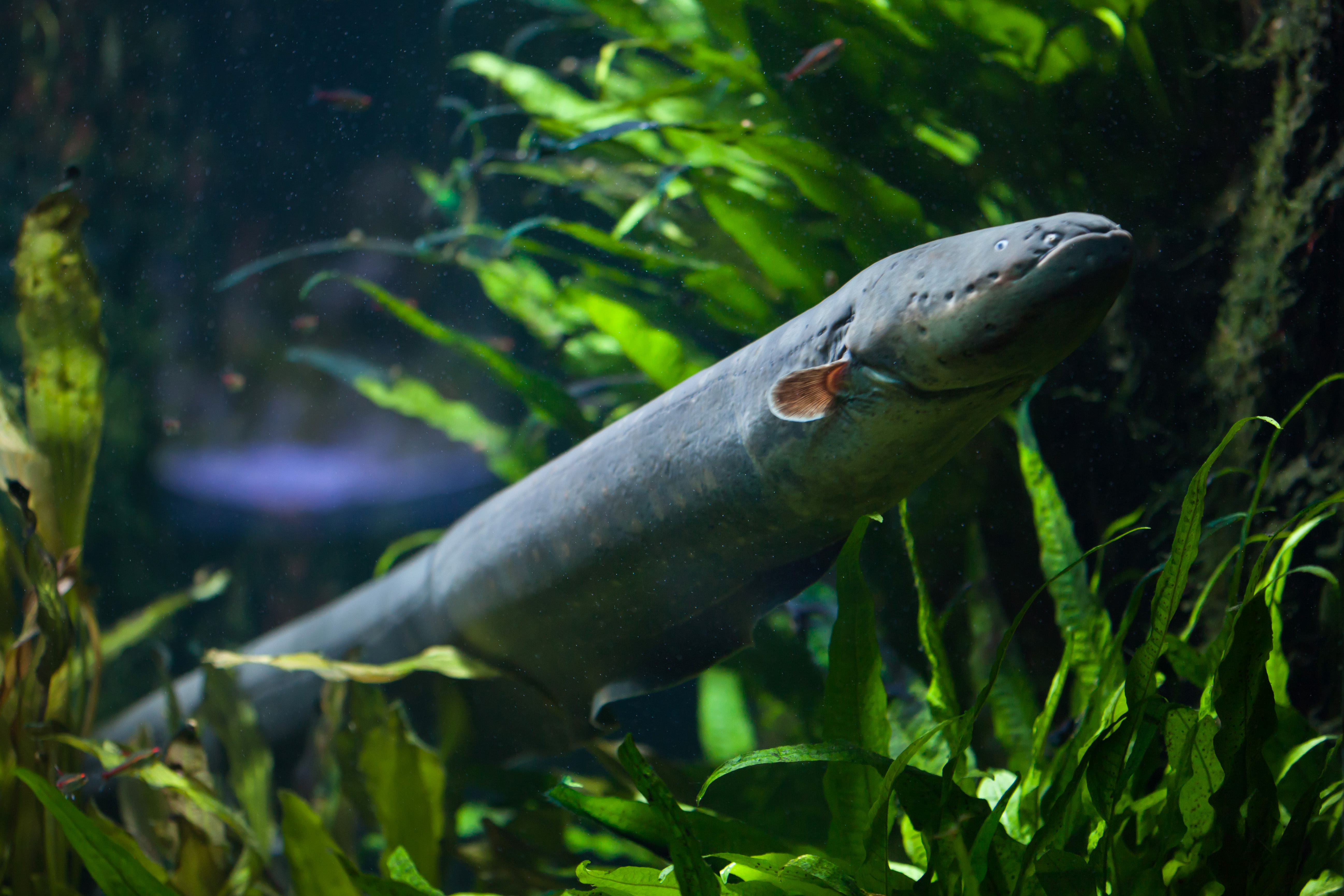
Electric eel
These snakelike fish emit more electricity than any other creature on our planet- 860 volts in a single zap. To put it in perspective, that’s enough to power 10 light-bulbs! Once thought to be solitary hunters, electric eels have recently been observed working together in a pack to track down their prey along murky rivers and shallow pools of the Amazon.
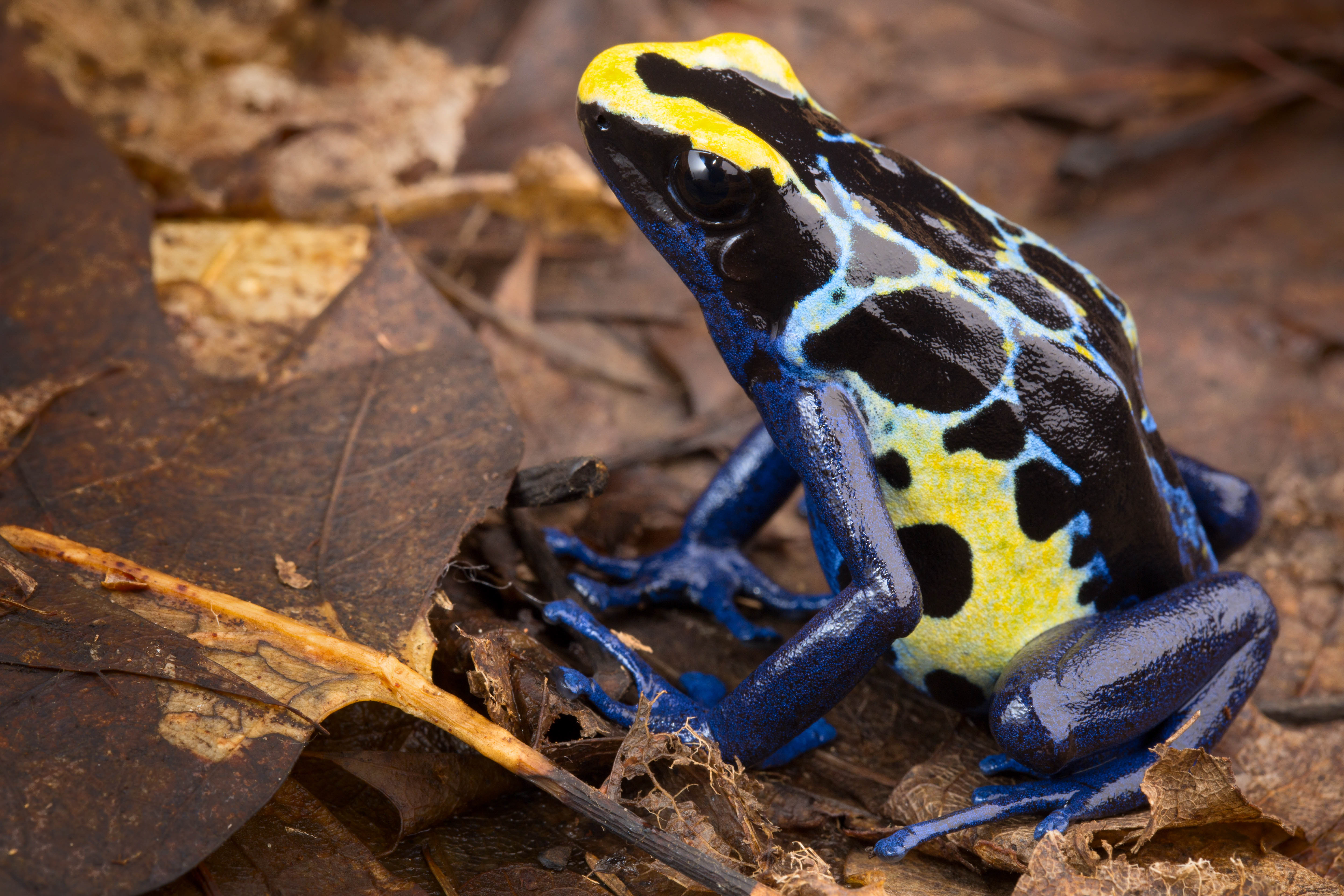
Poison Dart Frog
While some of these neon amphibians are lethal to the touch, most of them aren’t toxic. In fact, male frogs are exceptionally caring parents. Once young tadpoles have hatched, they’ll wriggle onto their father’s back ready for a piggyback-style ride through the rainforest in search of a watery home.
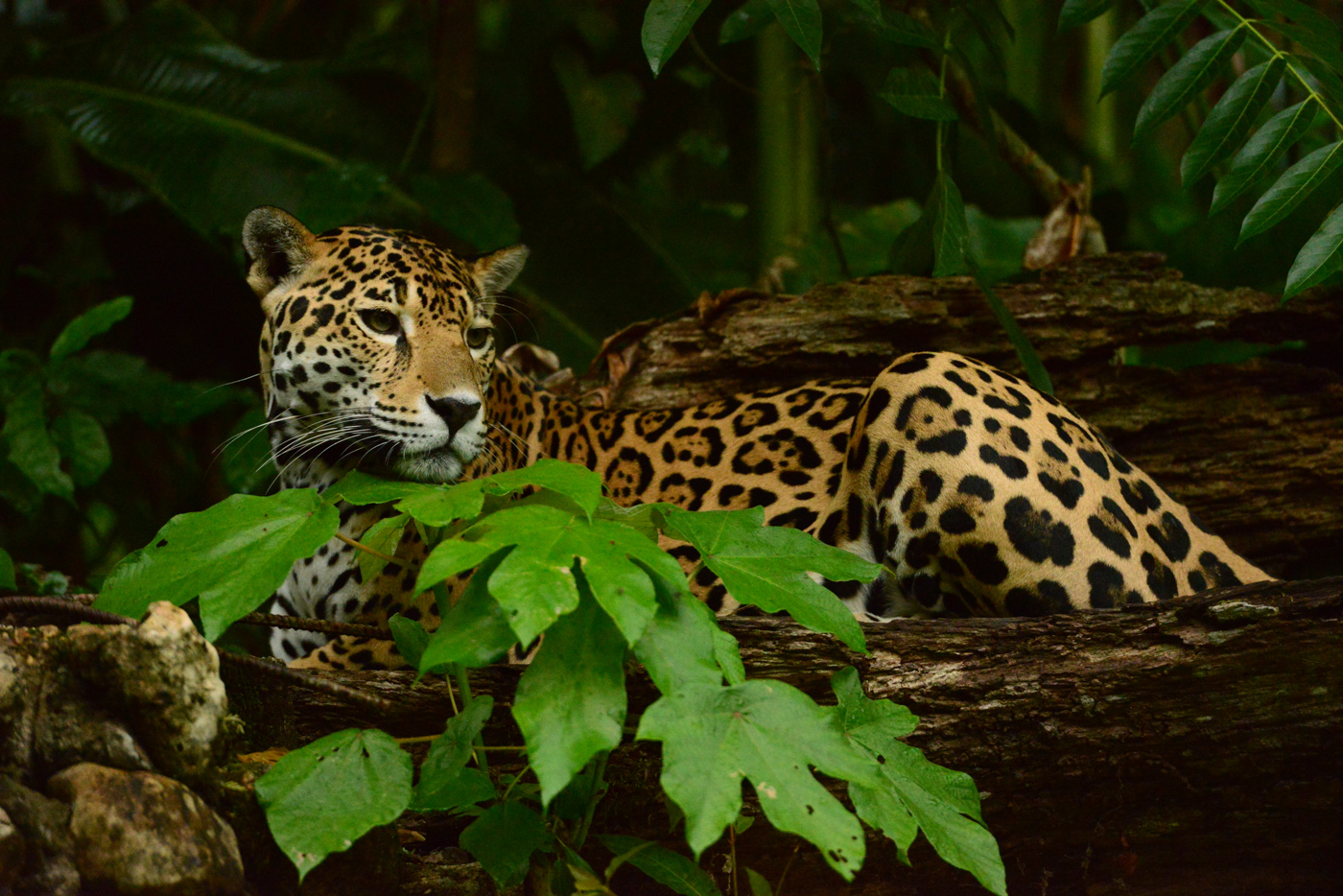
Jaguar
Jaguars have the most powerful bite of all the big cats – after all, their name comes from the indigenous word ‘yaguar’ which translates to ‘he who kills with one leap’. Their strong teeth can pierce turtle shells, crocodile hides and take down prey four times their own weight. Unlike many felines, jaguars are confident swimmers, making them well adapted to navigating the tributaries and lakes of the Amazon rainforest.
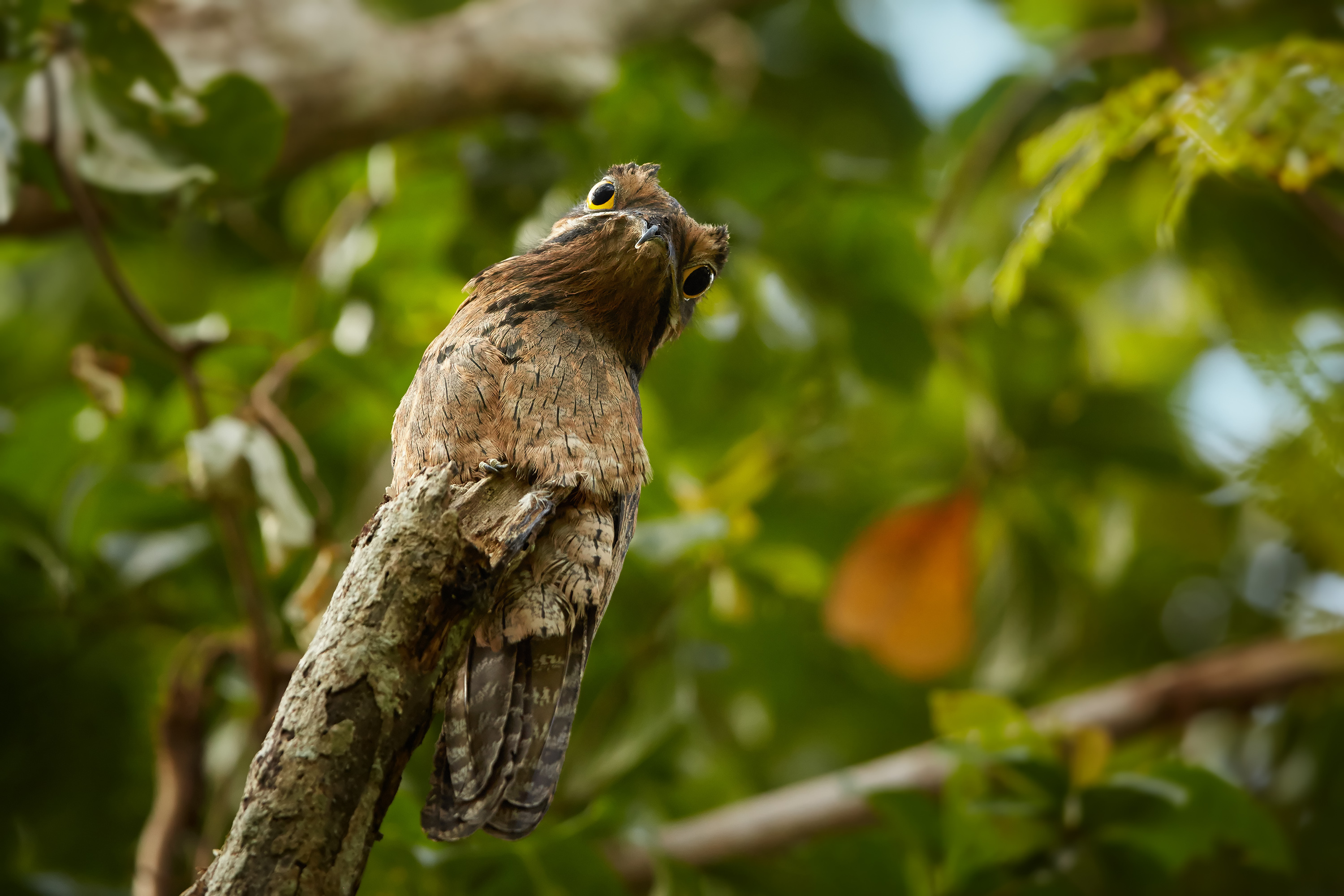
Potoo
These bizarre-looking birds are masters of disguise. Their speckled brown plumage and ability to remain incredibly still mean they are easily confused with a tree stump or jagged branch. That is, until one opens its beak to reveal an exceptionally huge mouth, which it uses to capture insects at night.
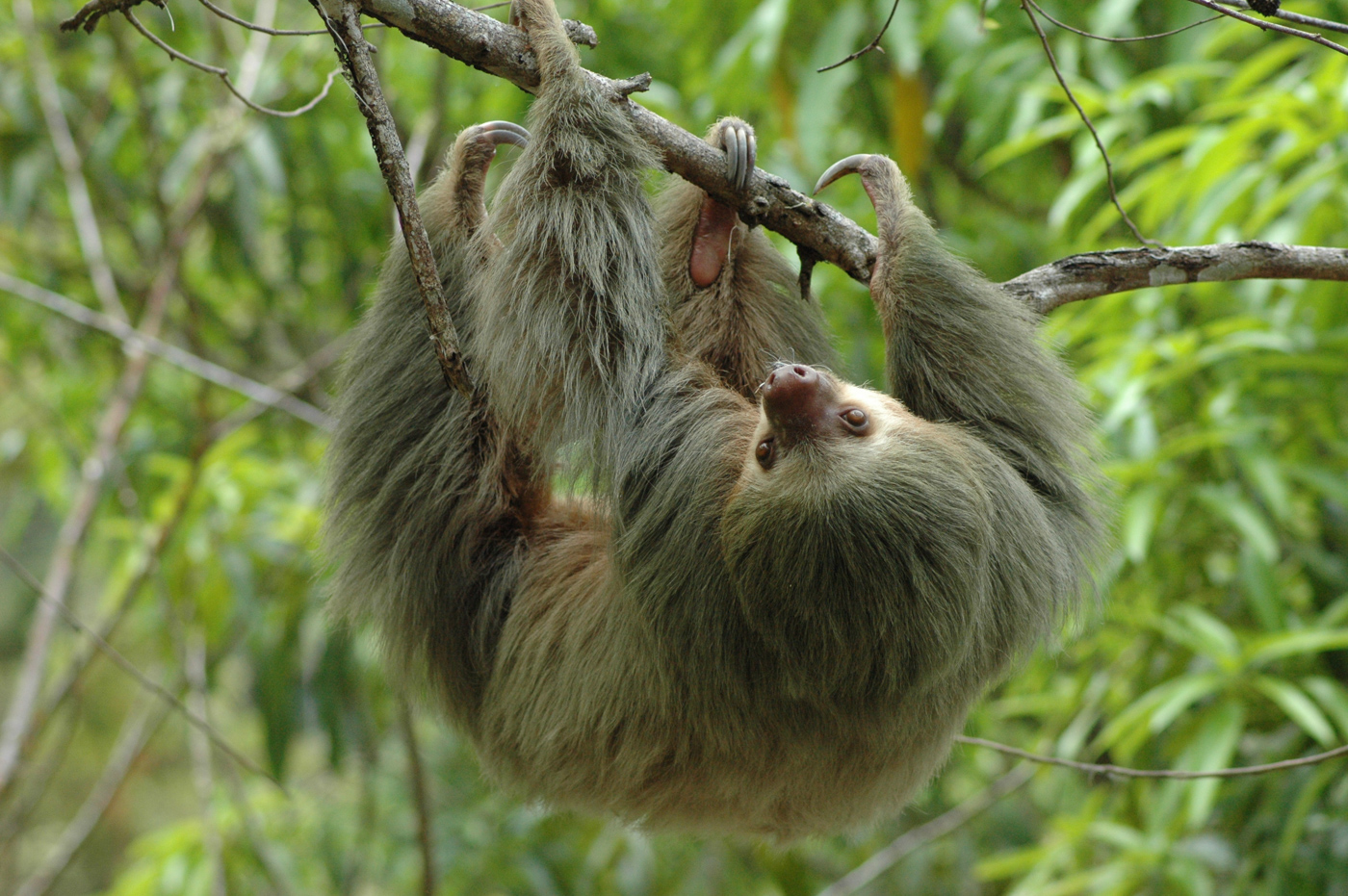
Sloth
As the world’s slowest mammals, on an average day these dozy creatures move a maximum of 38 metres and sleep up to 20 hours. They are so sedentary that green algae blooms on their fur, helping them camouflage in the trees.
Hoatzin
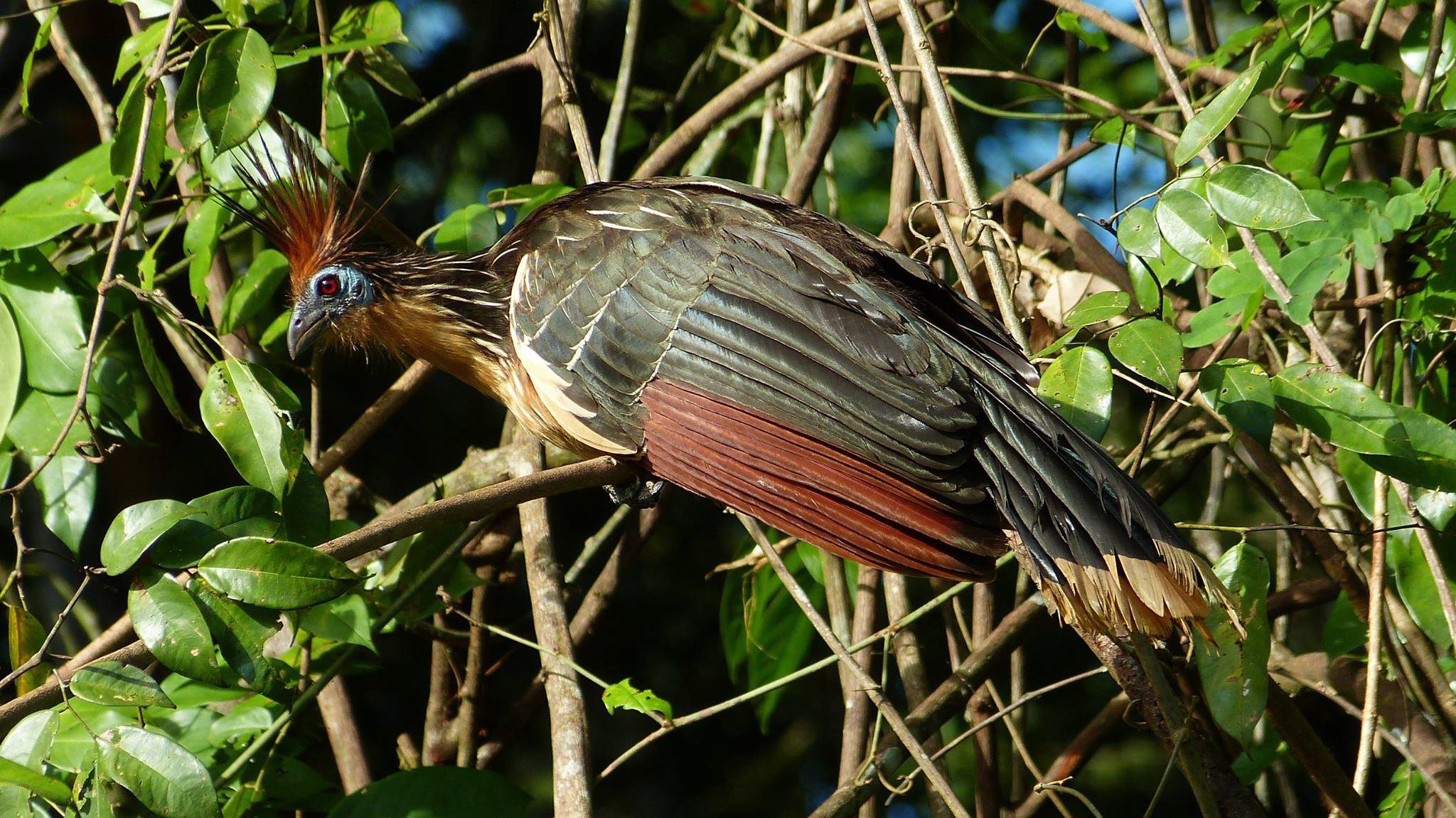
Continuously emitting a manure-like odour has earned the hoatzin a rather unfortunate nickname – the ‘stinkbird’. Also known for their clumsiness, these flatulent birds crash through jungle vegetation while loudly squawking. Like prehistoric dinosaurs, sharp claws on the end of their wings allow them to scale trees and rocks.